

โพสต์ที่เกี่ยวข้อง


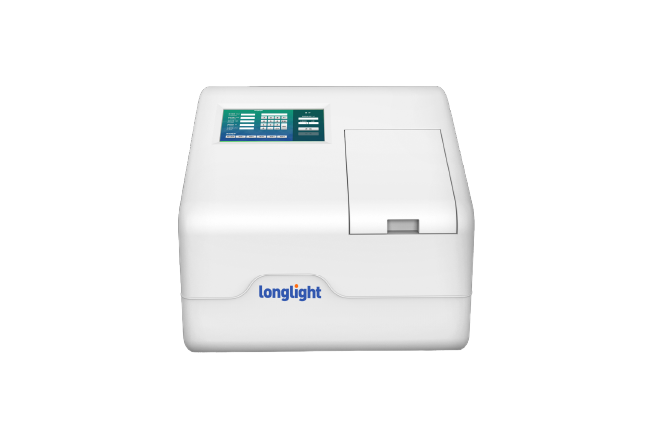
ฟลูออโรมิเตอร์แบบพกพาเข้ากับระบบห้องปฏิบัติการที่ยืดหยุ่นได้อย่างไร?
2026-10-26If samples are transferred from preparation rooms to a central testing bench, then quantification can be a minor, yet nagging delay. Researchers may need to wait for access to a shared instrument, transport their prepared samples to another room, and then return to their workstations to act on the results. An alternative is to have a compact fluorometer close to the work, as the measurement is closer to the work.
Portable has a more pragmatic meaning however for the lab manager. The instrument should be simple to set up and manipulate, and the entire assay requires appropriate power, reagents, tubes, and an appropriate, controlled workspace within the building. This article explores that difference using Longlight's QFluo-1 fluorometer, particularly for shared and space restricted labs.
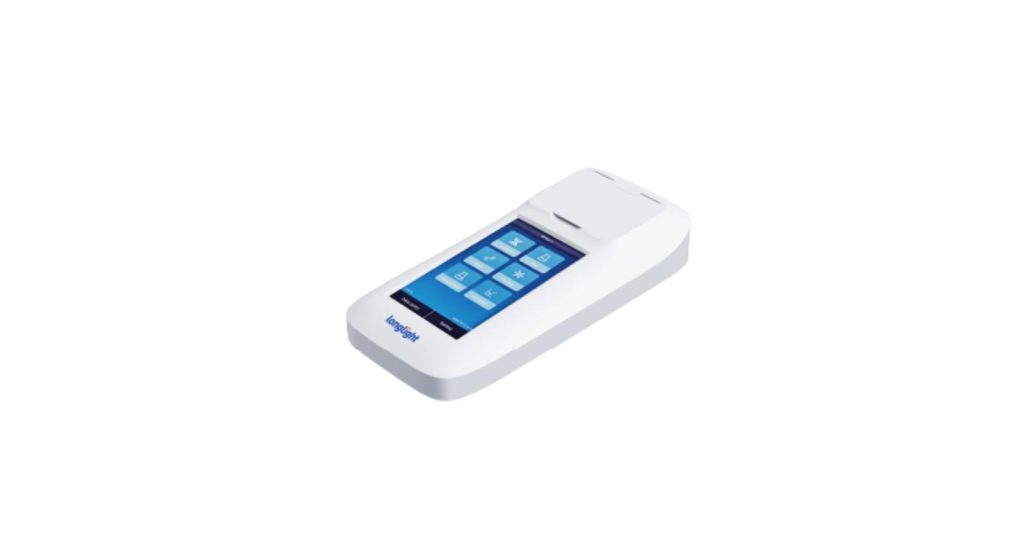
Select places where quantification takes place.
Identify the workstations where sample quantification is most frequently needed.This could be next to the nucleic acid extraction in a small molecular biology lab or it could be next to multiple shared workstations on various days in a shared facility. Record the name of the person who prepares the samples, the name of the person who reads the samples and where the result is recorded.
It's only beneficial to move a fluorometer if it helps to shorten this sequence. However, if standards must be retrieved from another lab room or an operator is needed to run each assay, then the size of the instrument will have minimal impact on turnaround. Determine which steps are required to move in order to move the device prior to changing the layout.
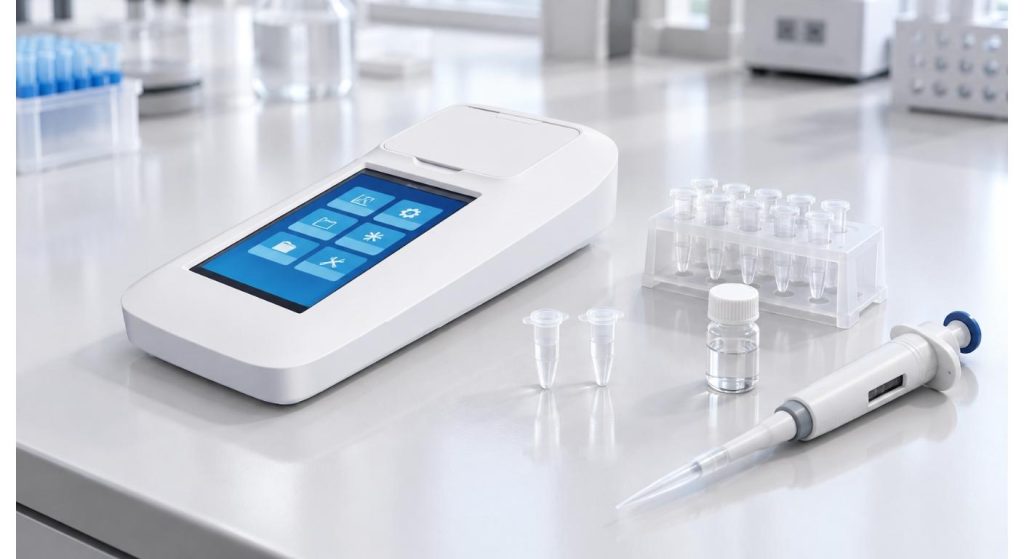
Be sure to read the meaning of “Portable” on QFluo-1.
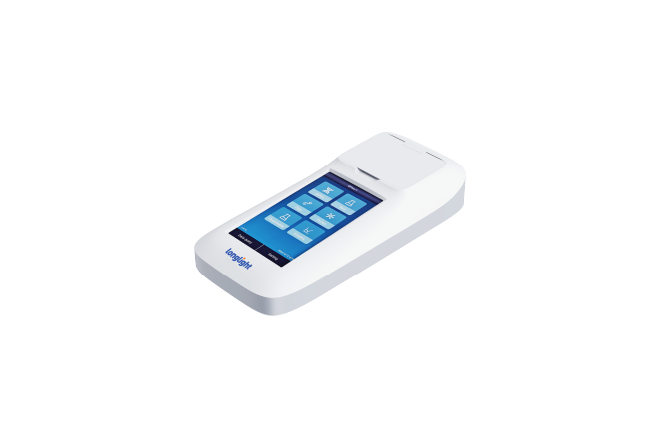
Longlight lists QFluo-1 at 110 × 230 × 45.5 mm and 0.5 kg, with a five-inch touchscreen. Those dimensions render it a compact instrument which can be moved within a laboratory. It says it needs DC 5V, 2A of power and has a working environment of "Indoor: 15-30C and less than 75% humidity.
The following is a discussion of bench-to-bench mobility, based on those specifications. They don't guarantee that the product comes with a battery or it can be used in the field outside. Please note that if a project needs to be operational in the field (outdoors), away from a stable indoor power source, please verify that with Longlight prior to describing the set up as field ready.
Create a Full Mobile Workstation plan.
The instrument is just one component of a fluorescence assay. An appropriate reagent, standards, suitable tubes, pipettes and a clean work area for preparing the sample is also required for the usable workstation. Determine what supplies are needed at each bench and what supplies are to travel with the fluorometer.
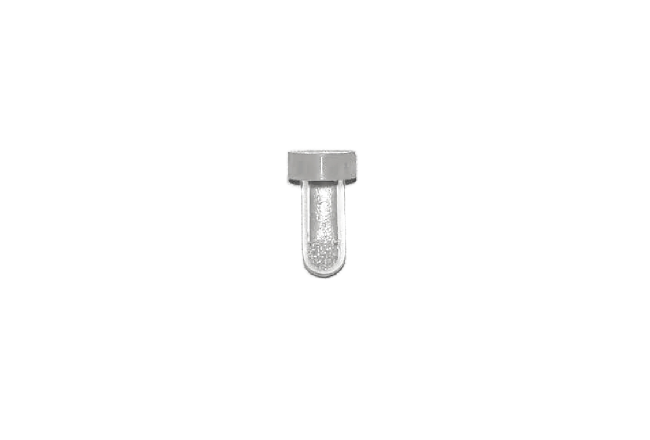
As per its product page QFluo-1 has a specified tube format of 0.5 mL, and requires between 1–20 µL of sample. Read the full preparation details given for the assay selected before assigning bench space or estimating the amount of consumables required. According to Longlight, its ชุดทดสอบเชิงปริมาณ QF is compatible with QFluo-1 to selectively measure both dsDNA and RNA.
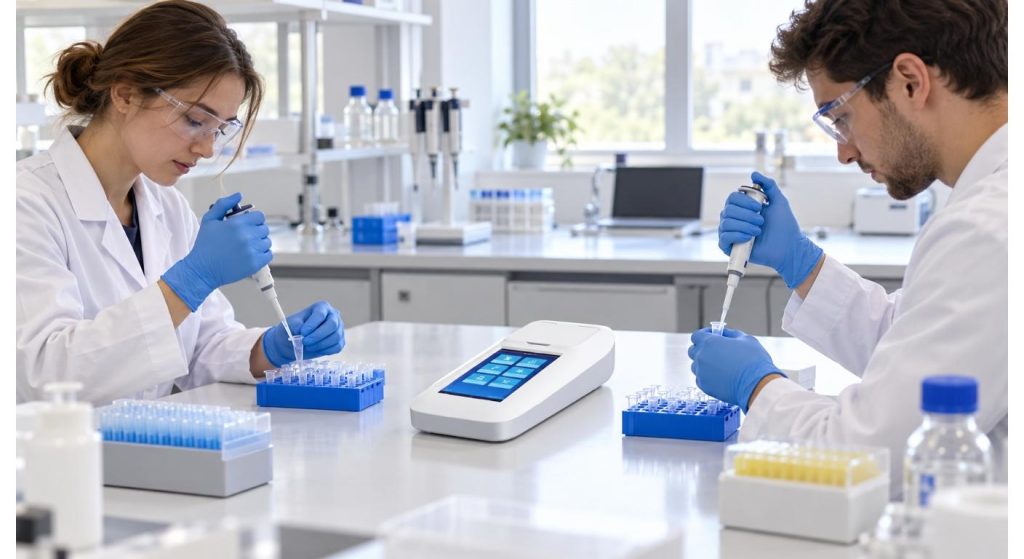
Use same Methods on both Benches
Moving an instrument between workstations may introduce differences in sample preparation, calibration, or operating conditions. Standards might be prepared at different times, different assays might be used or dilutions might be documented differently by various operators. Provide a common approved procedure for all workstations.
Name the assay for each type of sample, the sample preparation sequence, calibration steps and what to do when results are outside of the range of the assay. Always specify a tube, and record any agreed deviations from the standard. As described in the Qtube page of Longlight, the 500µL assay tubes should be from the same lot for best performance, verify by your own evaluation for suitability for the QFluo-1 method.
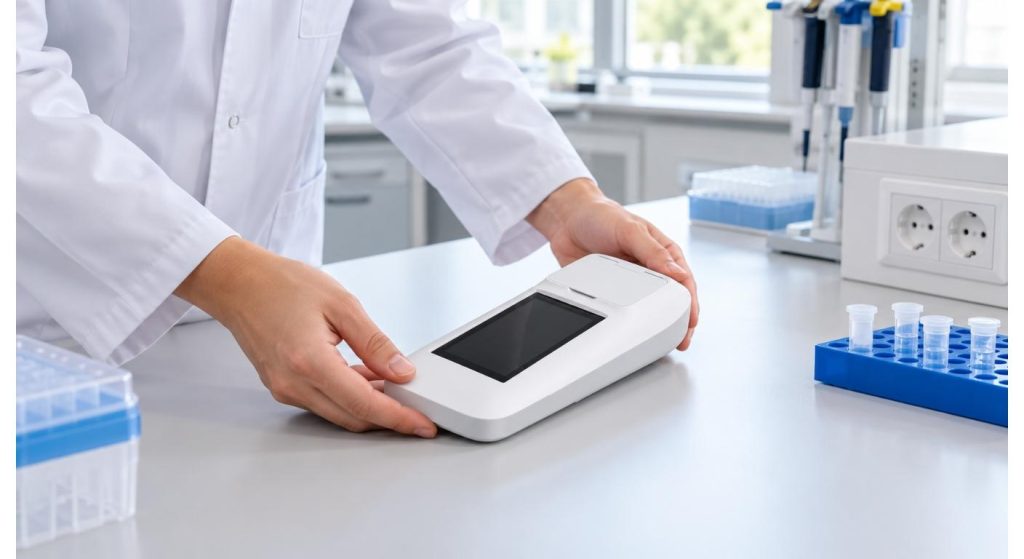
Set aside some time to measure time saved and not just reading time.
According to the QFluo-1 product page the reading time is less than 3 seconds per sample. This is indicative of instrument operating time only and does not include time required for preparation of standards, mixing of samples, any incubation required and recording of results.
Evaluate two realistic set-ups: the situation and a second bench nearer to the sample preparation. For each, record the time it takes from sample being ready to a firm decision. Make sure to add setup and end-of-session clean up. This will help to identify if the move of the instrument will really eliminate a delay or if the delay is merely being relocated.
| Trial item | Current bench | Proposed bench |
| Time from sample readiness to recorded result | Record actual time | Record actual time |
| Access to power and preparation space | Pass / Needs change | Pass / Needs change |
| Standards, reagents and tubes available at setup | Yes / No | Yes / No |
| Representative sample results under one method | Record result | Record result |
| Operator handoffs required | Record number | Record number |
Conduct trials of a Relocation Procedure.
If staff will regularly be handling QFluo-1, create a simple procedure prior to moving the QFluo-1. Turn it off per instructions, put away the instrument and accessories and set up the other bench before re-connections. Store and handle reagent and samples as specified on instructions.
Verify the necessary calibration or checks for the assay at the new site prior to assaying unknowns. Compare results of representative samples from both benches by the same approved method, during a trial. If a difference is found record any handling or environmental difference that may explain the difference, but do not assume that the move is the cause of the difference.
Determine when a Dedicated Location is better
Small tools don't always have to be in motion. Having a permanent location next to one team might be easier if most of the assays are being run by that team. Several groups utilizing the fluorometer at different times, and able to use the same procedure may benefit from the movement.
Think in terms of being able to access power, clean preparation area and storage area for tubes and reagents. Also determine who will be in charge of calibration records, cleaning and stock of consumables. These details in operation will make or break the continuance of a shared instrument after the initial demonstration.
Define Purchase and Deployment Requirements for the Fluorometer
Prior to buying, identify the analytes and assays needed, sample volume and number of users and planned bench locations. State the necessary and compatible tubes and reagents, power availability, as well as the procedure to record the results.
Check with Longlight if they will support the proposed QFluo-1 configuration in those conditions and get a demonstration of it with your workflow. The instrument specifications are published on its QFluo-1 product page and the details of the application can be submitted via the หน้าติดต่อ for confirmation.
บทสรุป
The best argument for a portable fluorometer is a shorter time from prepared sample to useful result. However, the low size and weight of QFluo-1 can also be used in the flexible indoor bench configuration, if the lab has the power, the necessary assay materials and plans for regular use. Test the entire workflow at every planned site before transporting or setting up the device permanently at a site.
คําถามที่พบบ่อย
คําถามที่ 1. Does the QFluo-1 have a built-in battery?
The published product specifications are given as DC 5 V power however, they do not indicate that it has a built in battery. Always check with Longlight if it is battery operated.
Q2. Is it possible to use QFluo-1 outdoors?
Its operating conditions listed are for indoor use. Before the purchase an outdoor or uncontrolled field application should be discussed with the manufacturer.
Q3. Does the fluorometer need to be moved and will this involve a new assay?
A change of benches, alone is not an indication for a different assay. Repeat the same procedure and make the necessary checks at the new installation site, using the same procedure that has been validated.
Q4. What should be done as a measure in a portability trial?
Time the entire process including sample ready to recorded result at each bench. Compare results from the same accepted method as well.
Q5. What should I check before using a portable fluorometer outside the main lab?
Confirm that the assay, sample handling, and operating conditions suit the intended location. Bring the required standards and consumables.
