

โพสต์ที่เกี่ยวข้อง


การใช้ฟลูออโรมิเตอร์ความไวสูงเพื่อการวัดปริมาณห้องสมุด NGS ที่เชื่อถือได้
2026-10-26Unfortunately, a low-input NGS library may appear to be ready to be sequenced when there is still insufficient amount of useable DNA for the next step. An uncertain concentration result could result in an incorrect dilution or a needless retest at this point. The most helpful question for a sequencing lab will thus be whether their quantification method would provide a reliable result at the concentration levels their libraries attain.
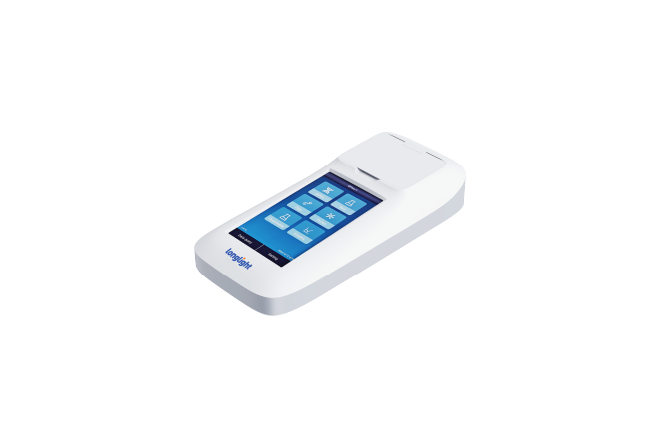
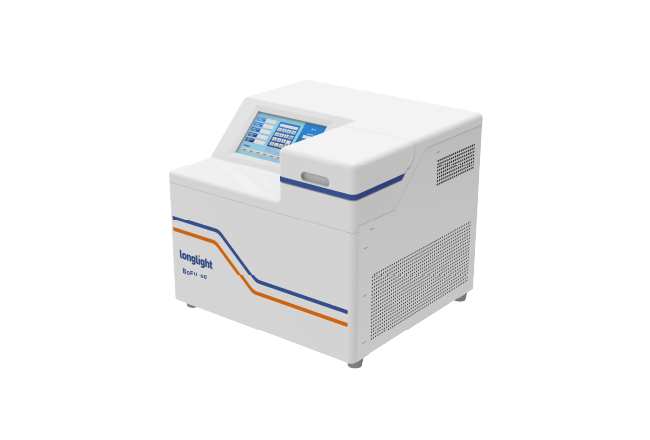
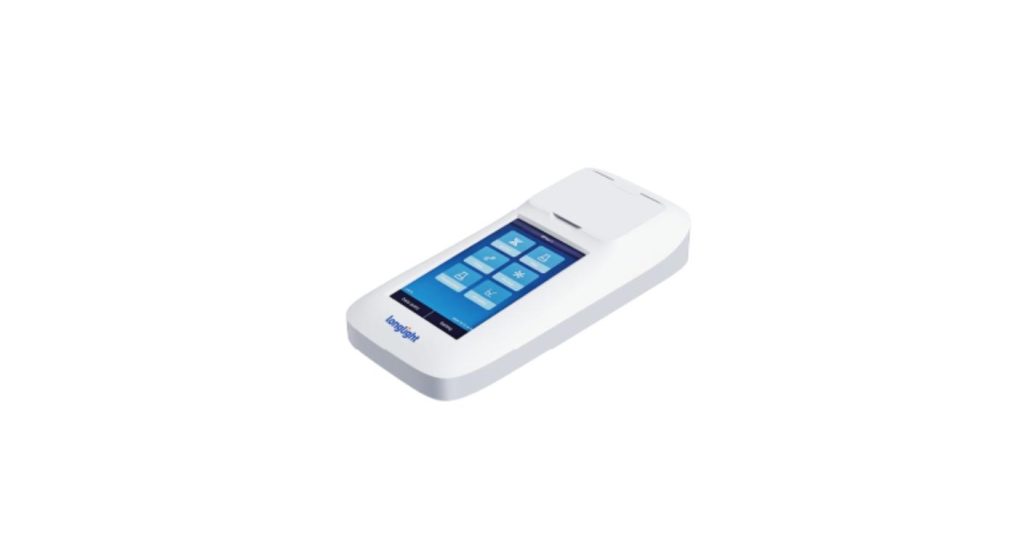
In this article we are going to be discussing the QFluo-1 fluorometer from Longlight. It's used in the workflow to get a nucleic acid concentration value prior to a researcher's library preparation and/or normalization decision.
Determine what the Measurement is for
Before assessing a fluorometer, first determine its next use. Is the result used to determine if a library requires further concentration or to make a dilution or to normalize a number of libraries to a common input? There are different levels of tolerating uncertainty in each decision.
Document the range of concentrations that are typically encountered in your laboratory; this should include samples that are close to the low limit of the range. If only good clean DNA is demonstrated, it will not reveal much about the troublesome libraries which led to the purchase. Select representative samples, establish acceptance criteria prior to comparing results.
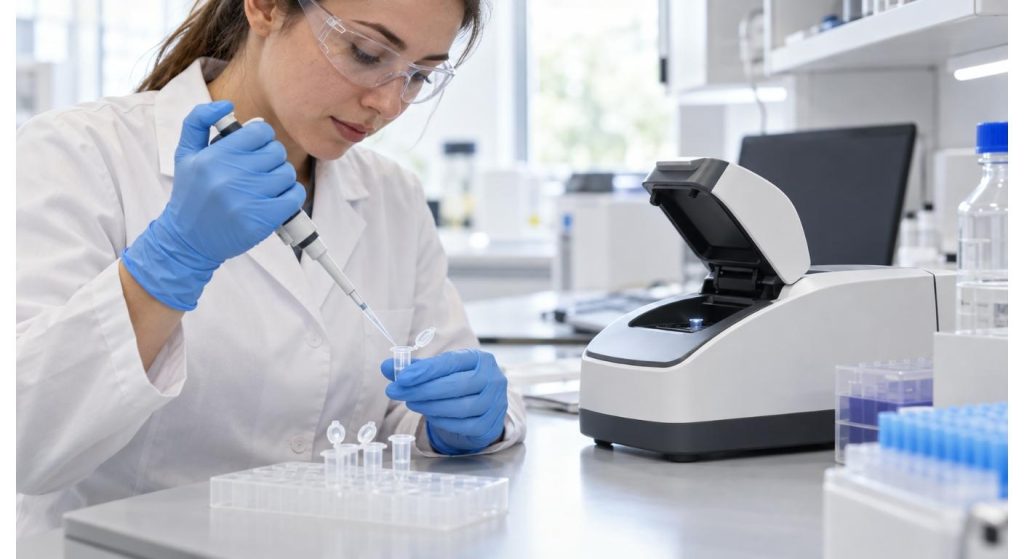
Understand อะไรนะ High Sensitivity means for QFluo-1
A fluorescence assay involves a reagent which is chosen to be able to give off a signal from a target, e.g. double-stranded DNA. That signal is read by the fluorometer and an assay specific calibration is used to report concentration. The instrument sensitivity alone does not dictate the performance of all DNA, RNA or protein assays – the assay reagent is part of the measurement.
According to Longlight, the QFluo-1 has a sensitivity of 0.01 ng/µL for detectability of dsDNA, and can detect samples of 1 to 20 µl. It also mentions in its product specifications that it can be calibrated in two points and its measurement time is not more than three seconds per sample. Use those numbers as the specifications to consider when using the assay and sample types your lab will be using.
Select the Assay Before making an interpretation of the Number
A laboratory could determine the amount of both dsDNA and RNA and proteins in a single instrument but it must not consider any one of these as an interchangeable test. Choose appropriate assay for the analyte and review its working range, sample preparation and standards.
When evaluating an NGS library, consider if a dsDNA assay can provide the answer to the particular question for that QC step. Longlight's ชุดทดสอบเชิงปริมาณ QF is introduced for selective quantification of both unwound (dsDNA) and (RNA), and is marked as being QFluo-1 compatible. The QFluo-1 is also reported to be an "open system" for various fluorescence assays, however, the suitability has to be determined assay-by-assay.
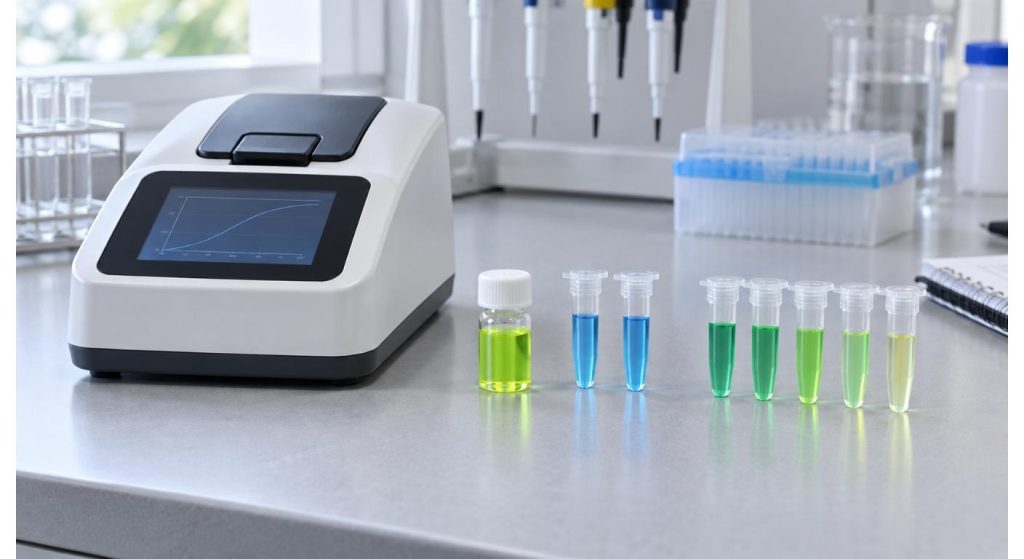
Small Samples: Protect During Preparation
Low-input libraries often contain limited amounts of material, making it important to minimize sample consumption during quantification.Determine the quantity of sample needed for the assay, and calculate quantity of sample remaining for further processing. The specified sample input for the QFluo-1 is 1-20 μL, which provides the laboratory with a range of options; however, the assay mixture and tubes to be used in the procedure must also be taken into account.
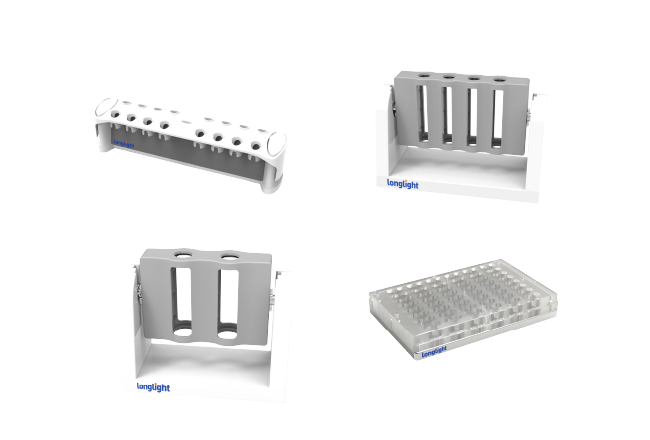
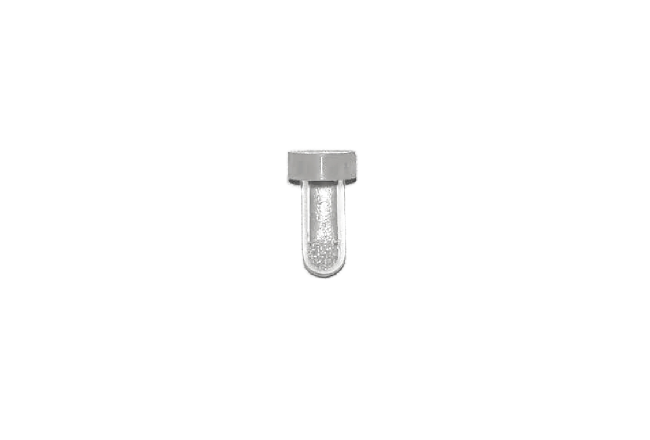
Follow the same order of pipetting and mixing and incubation conditions for the standards as well as the unknowns. Check the fit of tubes to the instrument and obey the handling procedures given in the assay. Longlight provides 0.5 mL tube format for QFluo-1 and also has Qtube assay tubes – be sure to check the tube and reagent combination in the planned assay method prior to routine use.
Check Low End With Real Laboratory samples
No specification sheet can tell you if the library preparation you desire will give repeatable results for you. When evaluating, use the standards according to the instructions of the assay and then samples covering the range of samples your lab uses.
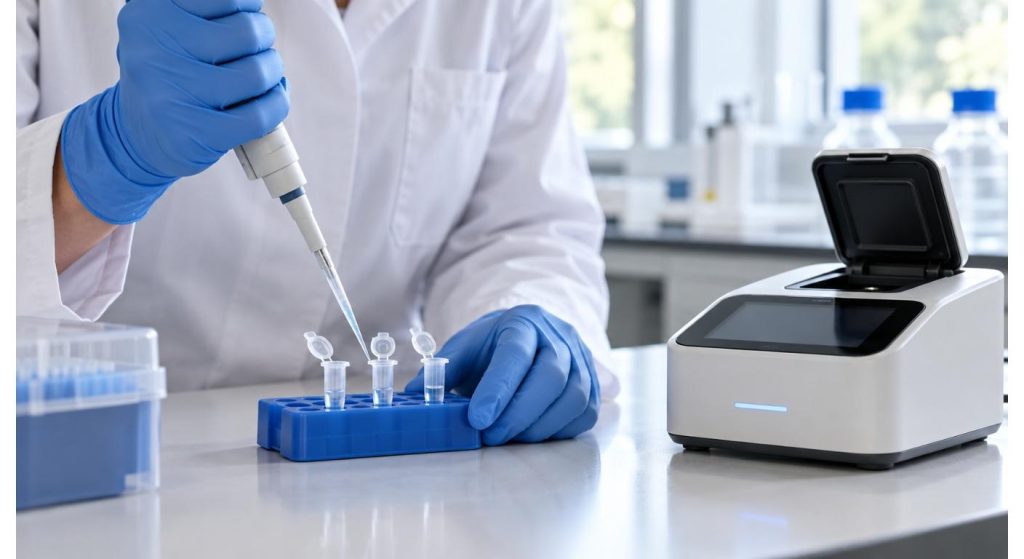
Add multiple one or more that would alter a decision in a workflow in close vicinity to the lowest concentration for which it would do so.
Measure Repeats NOT Repeated reads from one tube. This distinction provides an indication of the differences that have been caused by pipetting or the preparation of the reagents. Note any samples outside of the range of the assay; pre-determine if they will be diluted, re-run or reported as < validated.
| Trial checkpoint | Acceptance rule to define before testing | Action if the rule is not met |
| Low-concentration sample | Replicate preparations meet the lab’s agreed variation limit | Repeat preparation or revise the reporting threshold |
| Assay standards | Calibration meets the assay instructions | Prepare fresh standards and rerun calibration |
| Sample outside assay range | Result is flagged and handled by the written method | Dilute, reprepare or report below range as appropriate |
| Library QC decision | Result leads to a clear proceed, adjust or repeat action | Review the QC threshold before adopting the method |
Measure Speed throughout the entire workflow
A fast instrument reading does not require a few second assay. Standards and samples should be set up and the reagent used might need to be incubated. Design throughput for the entire process, particularly with a large group of libraries coming in at the same time.
The reading time of QFluo-1, according to Longlight, is no more than 3 seconds per sample. Time the preparation, calibration, reading and recording of result for a sample trial. This gives you a good idea of the fit of the instrument within your laboratory's QC plan.
พื้นที่ Result is converted into a Library QC Rule.
Fluorescence-based quantification provides information about DNA concentration, but it does not assess library fragment size distribution or distinguish fully constructed sequencing libraries from other DNA species. Depending on the library preparation method and sequencing platform, additional quality-control methods, such as fragment analysis or qPCR-based library quantification, may be required.
Add a document to record the Approved QFluo-1 Method.
Once the QFluo-1 configuration is successful, note the QFluo-1 configuration, the selected assay, the type of tube, the standard preparation and standard acceptance criteria. Add volume of sample used and reporting of the results. This transforms a successful demonstration into a tool that can be used by a variety of operators in the same way.
To request a quotation or trial please submit to Longlight the analytes, expected concentration range and number of samples per day and the intended assay. Request information about the QFluo-1 setup and consumables that are compatible with the proposed method via its หน้าติดต่อ.
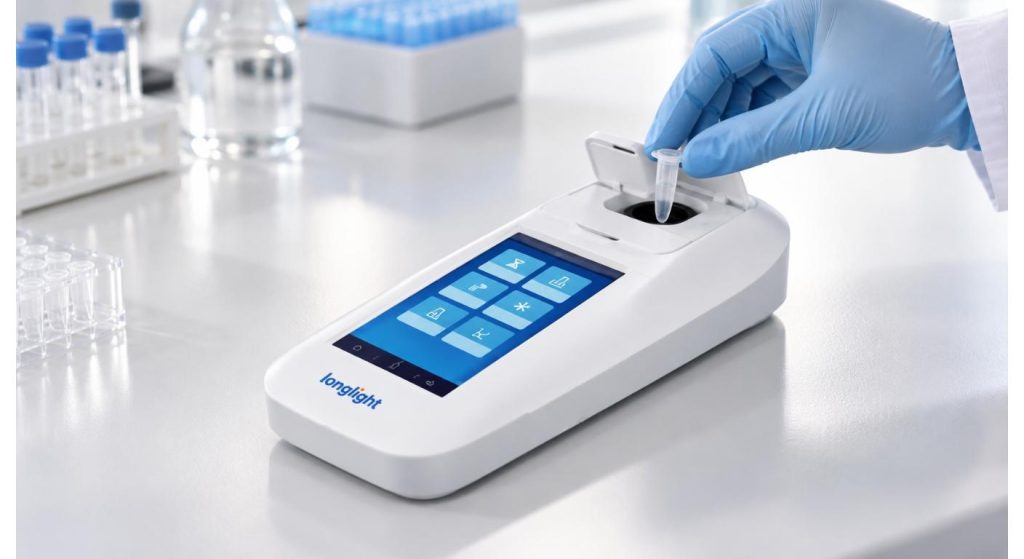
บทสรุป
The importance of having a sensitive fluorometer in an NGS lab is the decision they can make at low concentration. Evaluate QFluo-1 using the appropriate assay, representative libraries and repeatable sample preparation. Each concentration result is then more easily acted upon when documented in a QC rule.
คําถามที่พบบ่อย
Q1. In NGS library workflow, what is measured by the QFluo-1?
It is used to measure concentration of the target analyte (e.g. dsDNA) with a proper fluorescence assay. Choose the Assay of the material and QC decision in question.
Q2. Does the mentioned sensitivity suffice to approve a method?
No. Evaluate test representative samples close to the decision limit and evaluate re-prepared samples prior to routine use.
Q3. Does three seconds reading mean that the entire assay takes three seconds?
No. Sample and standard preparation, any necessary incubation and recording of results are time consuming.
Q4. Why is it important to test duplicate preparations rather than to read a tube repeatedly?
Separate preparations display a difference in preparation created in the pipetting and/or the assay set-up process. All of those handling differences can't be discerned in repeated readings of one tube.
Q5. Does a high-sensitivity fluorometer eliminate the need for calibration?
No. Follow the assay’s calibration and quality-control requirements to keep measurements reliable.
