

โพสต์ที่เกี่ยวข้อง

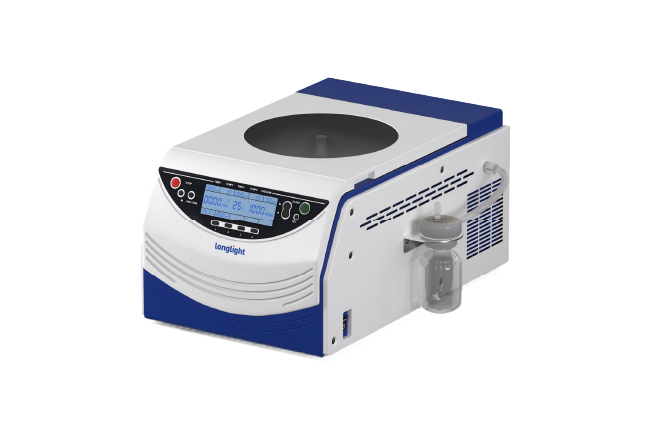
เหตุใดเครื่องมือตัด DNA ที่มีการควบคุมจึงเพิ่มความเร็วในการตรวจจับ
2025-12-17

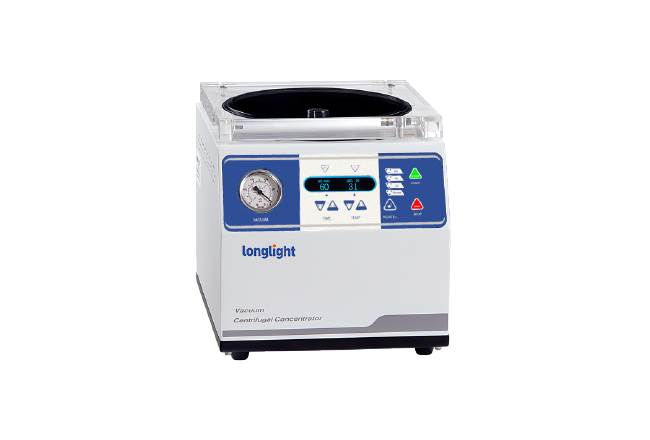
เครื่องแยกแม่เหล็กสําหรับการทําให้บริสุทธิ์ของกรดนิวคลีอิก: การขยายขนาดที่ชาญฉลาดยิ่งขึ้นช่วยให้เวิร์กโฟลว์การทําความสะอาดทํางานได้ดีขึ้นได้อย่างไร
2026-03-26

XL-MS เร่งการพัฒนาโมโนโคลนอลแอนติบอดีที่เชื่อถือได้ได้อย่างไร
2025-11-18
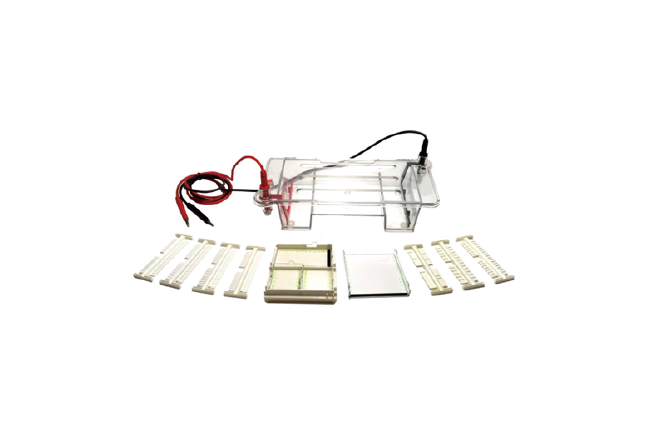


วิธีเลือกเครื่องรวมแรงเหวี่ยงสุญญากาศเพื่อการเตรียมตัวอย่างที่เชื่อถือได้
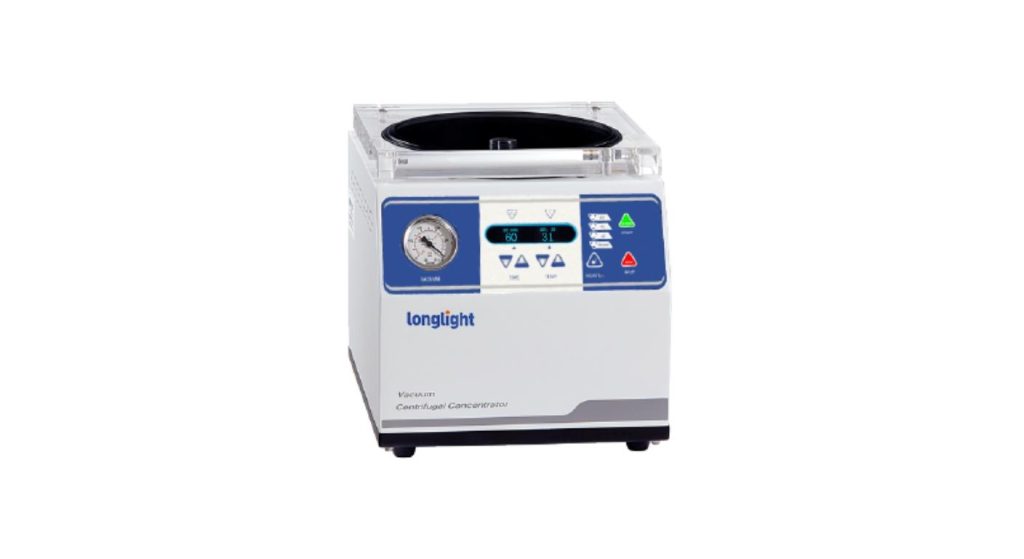
2026-10-26A vacuum centrifuge concentrator is an apparatus that concentrates samples by extracting the solvent while maintaining the samples in rotating containers. When the processing of valuable DNA, RNA, proteins or analytical samples depends on the purchase of a laboratory drier, it is not just drying time that is a consideration. Sample recovery, compatibility with solvents and the amount of sample runs per day also are important.
A product specification is a good place to start, but the decision must be based on the instrument's ability to accomplish your tasks, vessels and target endpoint. To help laboratory managers and researchers make a more useful equipment comparison the following checks are included to aid in a purchasing decision.
Explain what is meant by Work Before Comparing Models.
Capture the type of samples, type of solvents, starting volume and desired final volume of your regular workflow. Indicate if the task is performed under partial concentration conditions, if it is a solvent exchange or drying until dry. The run conditions for these endpoints may vary.
Then, write down the types of vessels and the number of samples taken in a day. Routine task most difficult, not relying on occasional, small batch judgements. If samples are heat-sensitive, or very hard to replace, determine before going to the concentration process how you will determine the quality of the samples after concentration.
Know what can help or hinder your concentration.
The vacuum will decrease the pressure over the sample, which means that the solvent can be evaporated in a milder way. Rotation can be used to help keep liquid from escaping from the vessels and controlled heating may be used to help evaporate the liquid. These are the principles of operation that Longlight describes in its article about the principle of vacuum centrifugation concentration.
The quoted vacuum or temp max does not give you any idea of the performance of a run. Query the operator about operation of the instrument and the ability to store repeatable settings as the liquid level drops. Make a comparison at the end-point to the one your lab really needs, followed by sample quality check.
As a result, match the Rotor to Your Actual Throughput.
Test that proposed rotor and adapters will securely support your vessel(s). In turn, check the number of samples that can be processed in the configuration that is being quoted. The capacity in a tube size may not be representative of that in another size.
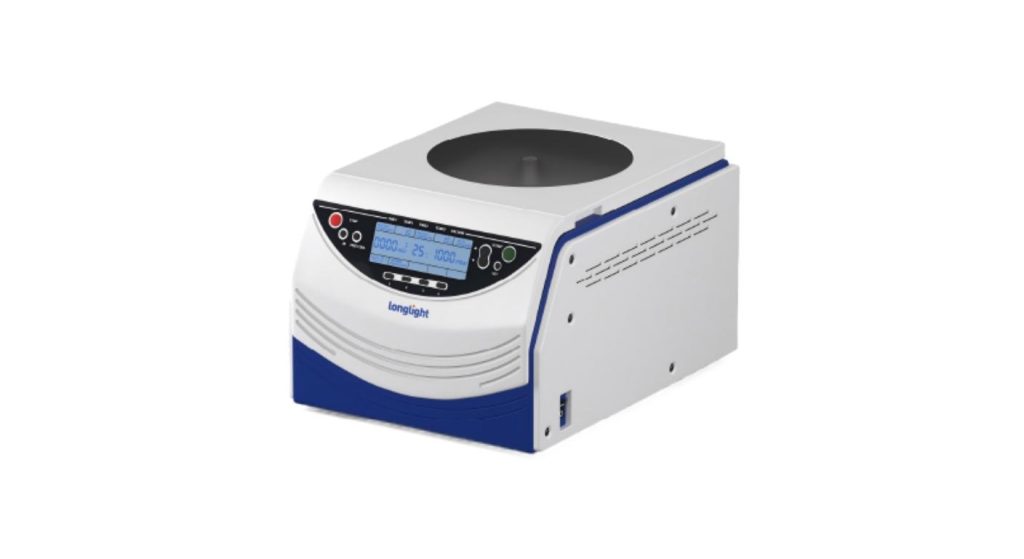
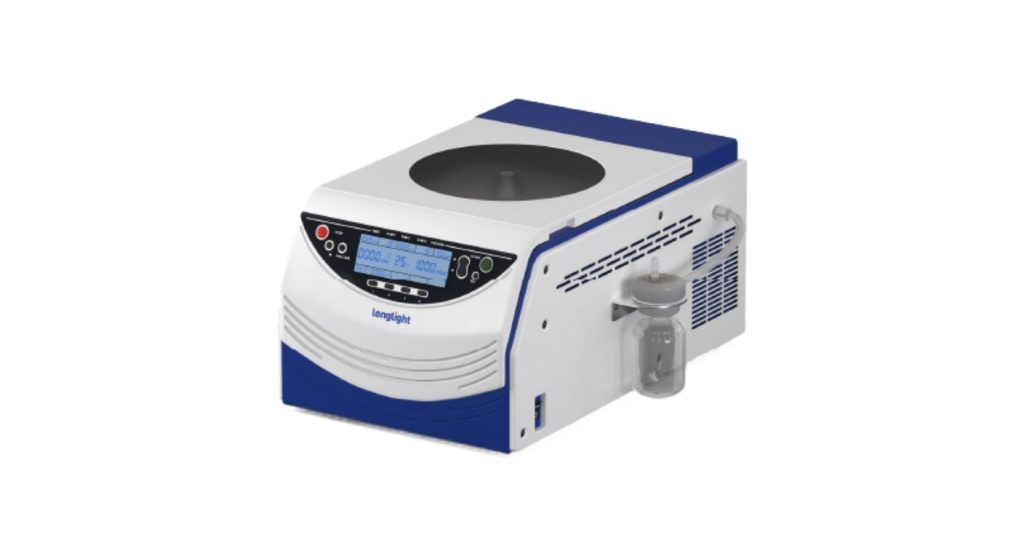
To give you an idea of what they're capable of, Longlight offers a vacuum centrifugal concentrator called LLV-1 that can fit up to 90 × 1.5 mL tubes and แอลแอลวี-10, which contains a dual-rotor design with a capacity of up to 180 × 1.5 mL tubes. Verify the appropriate rotor to be used in your vessels and give room for loading and unloading times, and cleaning the rotor when calculating daily production.
| Workflow input | Question for the supplier | Result to record during the trial |
| Vessel type and batch size | Which rotor and adapters support this load? | Number of usable positions |
| Starting volume and target endpoint | Can the proposed setup reach this endpoint? | Run time and final volume |
| Solvents and cleaning agents | Which exposed components are compatible? | Confirmed component materials |
| Sensitive or scarce samples | How are run conditions controlled? | Recovery and downstream quality |
Follow the Full Solvent Path to find out if the solvent is appropriate.
The chamber is not the only thing that is considered for solvent compatibility. Request the materials used for the components of the pump head, seals, tubing and vapor collection. Provide the supplier with a list of solvents and cleaning agents that you use and the proposed configuration can be compared with the actual usage.
The LLV-1 page contains a description of a chamber which is coated with stainless-steel and a PTFE pump head. These are helpful pieces of information to consider, but for specific solvents, concentrations and the maintenance procedure you are using in your lab you should make compatibility confirmations.
When assessing Sample Protection, not only at run-time, but also in advance.
A run of little value if the sample is no longer suitable for the subsequent step. Discuss the ways in which temperature is controlled and how operators can prevent taking sensitive samples outside of the desired endpoint.
In evaluation, gauge recovery and look at the outcome below. For instance, a concentration and quality control may need to be performed prior to the next assay in the workflow for a nucleic acid. If comparing instruments, be sure that the test method is the same for both – otherwise differences in sample preparation may mask differences in instrument performance.
Run a test บน Sample under Normal Operating Conditions
Ask to see a demonstration or a sample trial with sample boats and sample quantities. Use a routine preparation and one that is more difficult, like a sample preparation that requires a lot of heating or a solvent mixture that is often used in your lab.
Record the run time, final sample volume, observed sample loss, and sample quality in downstream assays.Repeat run using a representative rotor loading. If it is a trial for just one convenient tube, then it can't prove that the proposed setup will satisfy the throughput requirement recorded above.
Make sure that all parts of the quotation are correct.
Establish if the quotation requires the following: rotor, adapters, pump and solvent collection equipment, if applicable. Request for the optional items and if the suggested design will be suitable for the space available on the bench.
This is a difference of configuration from model to model. The LLV-20 features an integrated vacuum pump and programmable controls, offering a compact solution for laboratories with different concentration requirements.Don't consider the price of the main system to be the total price of a working system, but compare the whole system that is supplied.
Create a Purchase Specification that is based on a Successful Trial.
Document the approved model and configuration of components after the trial. Add vessel types and sizes, rotor and adapter specifications, solvents in which intended to be used and acceptance criteria during evaluation based on the sample.
Also verify the training of the operator and cleaning requirements, replacement parts or technical support. A written specification is easier to use as a check that delivered instrument is similar to the one that your laboratory evaluated.
บทสรุป
Vacuum Centrifuge concentrator is a workflow choice. Specify the samples and the endpoint and test the complete configuration under realistic conditions; Check the capacity and solvent compatibility first, then define the samples and the endpoint. Headline specifications are generally not as clear as an approved sample trial with a purchase specification.
คําถามที่พบบ่อย
Q1. Which is the first thing that I need to take into account if I'm looking for a vacuum centrifuge concentrator?
Begin with Sample Type, Solvent, Vessel Format, Batch Size and Target Endpoint. These are what the configurations that need to be tested are.
Q2. Is there a direct proportionality between the two tube capacity and throughput?
Other factors that affect your daily throughput include run time, loading and cleaning, and if the rotor will take your vessels.
Q3. How to measure the performance for samples that are sensitive to heat?
Test representative samples, and determine the quality at the endpoint and downstream. Set up expectations for success prior to trial.
Q4. Would it be advisable to confirm the compatibility of a solvent by written agreement?
Yes. Submit your list of solvents and/or cleaning agents and ask to be verified for the appropriate exposed parts.
Q5. What should be covered in a Quotation from a supplier?
Request all the details of the configuration: rotor, adapters, pump and any solvent collection elements. Mark and word optional items separately.
