

โพสต์ที่เกี่ยวข้อง


การใช้เครื่องเข้มข้นเครื่องปั่นเหวี่ยงสุญญากาศในกระบวนการทํางานตัวอย่างที่แตกต่างกัน
2026-10-26A lab might be focusing on a rack of small samples in the morning, and a number of larger extracts later in the day. The two share the same solvent elimination requirement, but can vary in size of the vessels, the type of solvents used and the desired end point. The problem for the laboratory manager is to make those changes without having to make every run into a new experiment.
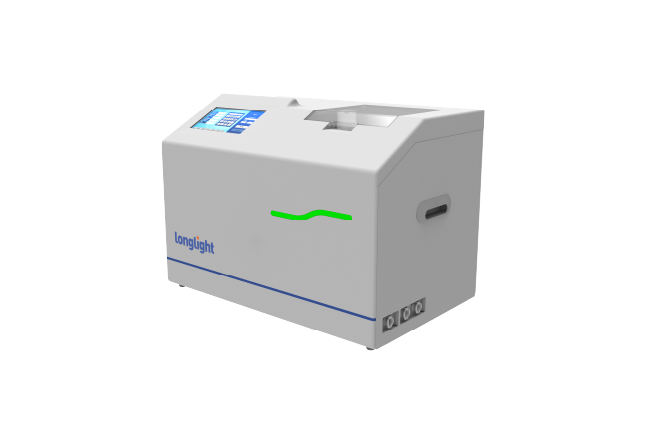
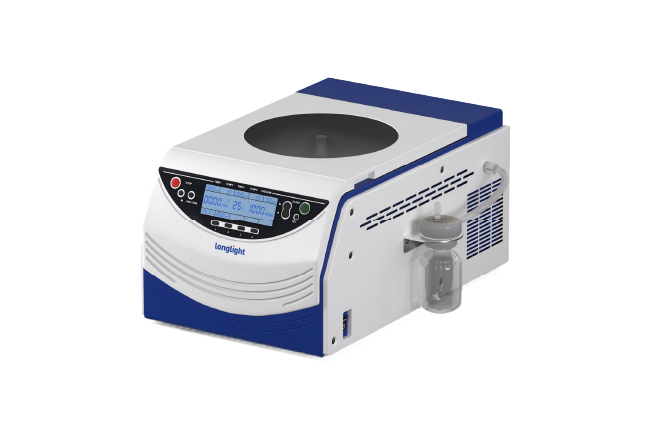
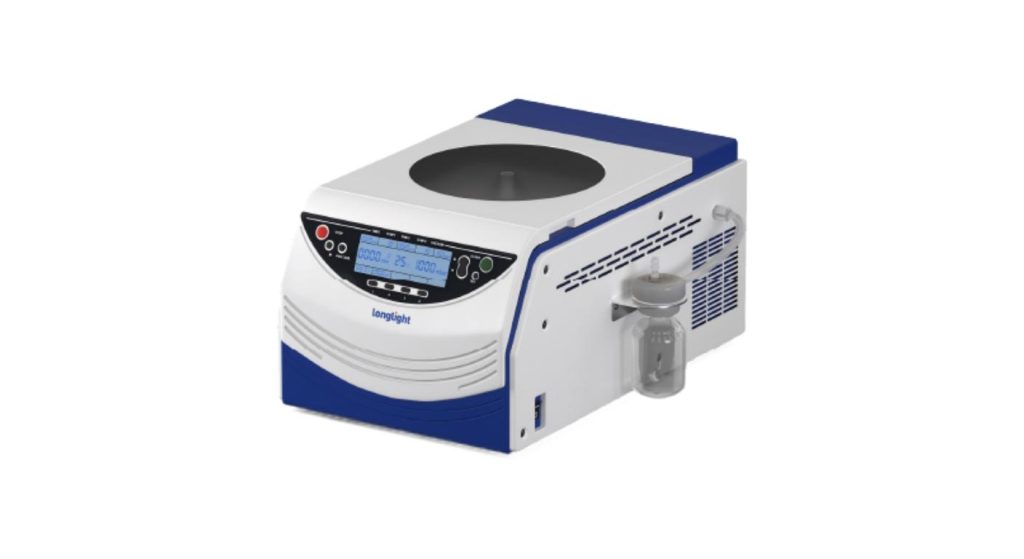
This article will detail Longlight's LLV-20 vacuum centrifugal concentrator. It can be used for various sample preparation tasks as a result of its combination of vacuum, rotation and controlled heating. The real challenge is how to structure those tasks into safe runs that could be repeated.
Organize Sample by the Run that's needed
Draw from the ending point. For some samples, a smaller end volume is required and for others, drying prior to reconstitution is required. These tasks should be kept separate unless the same conditions have been validated for both tasks. If a mixed batch is stopped when the fastest-evaporating sample reaches its endpoint, other samples may remain insufficiently concentrated.
Next, sort samples according to solvent and type of vessel. Log initial volume, downstream endpoint and any temperature limit imposed by the downstream method. These details provide a means for operators to choose, or develop, a run, other than just using the sample name.
The LLV-20 product page mentions that applications are DNA and RNA concentration, protein processing and solvent removal. This width necessitates careful run planning – conditions will still need to be appropriate to the samples in each application.
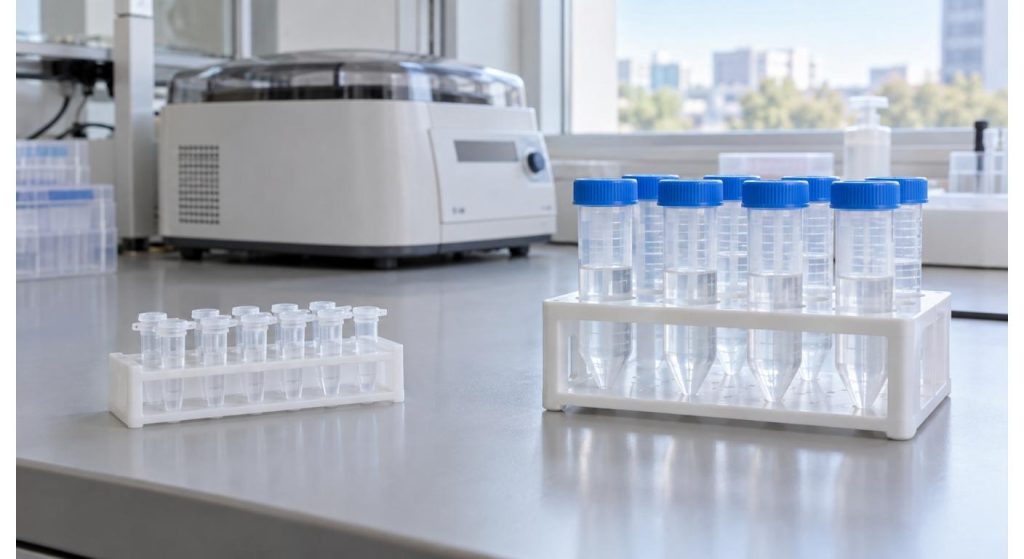
Match Rotor to Each Batch
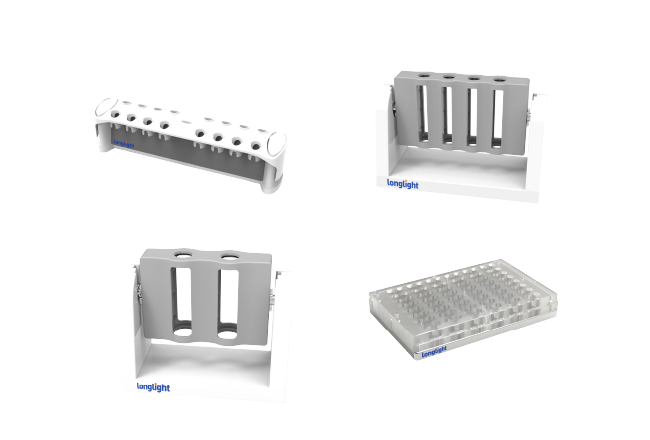
According to the information provided by Longlight, LLV-20 can hold up to 90 × 1.5 mL tubes or 8 × 50 mL tubes, depending on the rotor configuration. These are not a single combined loading capacity, they are alternative. Verify the rotors and adapters that are provided for the boats in the workflow.
To prepare a brief loading plan for each type of vessel for normal operation. Determine the proper rotor and positions and balancing method. Staff should also be aware of the time to wait for a sufficient number of samples to fill all the places in a batch where there are only a few samples.
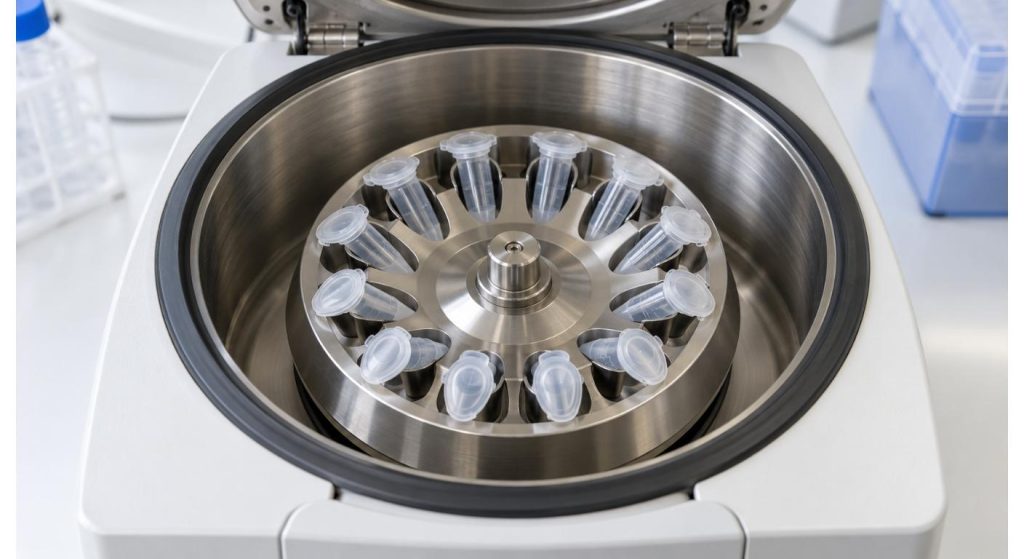
Develop และ understanding of the Three Parts of the Process
The pressure above the liquid is reduced and solvent is allowed to evaporate in a controlled manner by the use of a vacuum. Rotation can assist in keeping the samples in their containers and heat can be used to aid in evaporation. The one thing that can change is the effect that one setting has on the entire run, and a faster setting doesn't mean that it's the best setting for a sensitive sample.
The LLV-20, according to Longlight, features "digital vacuum monitoring and dual-zone temperature control. It has a displayed vacuum range of 0.1-100 mbar, and a resolution of 0.1 mbar, as indicated on its product page. These numbers refer to the monitoring capability of the instrument; the proper operating conditions need to be set on the instrument for each of the methods.
Evaluate Solvent Compatibility and Vapor Management
Evaporation time is not the only criterion affected by the choice of solvent. Check the parts exposed to liquid and/or vapor and identify the compounds in the sample prior to approval of the method. The LLV-20 page features a coated 304 stainless steel chamber and a PTFE pump head, in addition to a built-in corrosion resistant diaphragm pump. Make sure that the compatibility of the specific solvent mixture and cleaning method employed by your lab have been confirmed.
Determine the method of vapor control for the proposed run. A cold trap might be applicable when more protection for the vacuum system is needed or when the solvent needs to be captured. Longlight states that its LL-80 cold trap is an accessory for collecting vapors from vacuum concentrators; it should be determined for the solvent and application whether it must be used in an LLV-20.
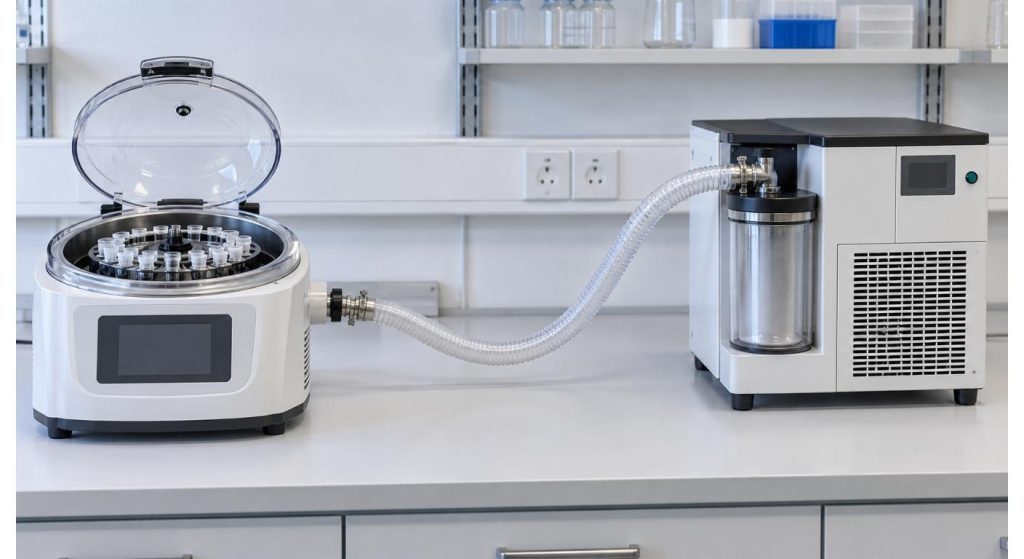
Set up an Endpoint Operators Can Recognize
Run until concentrated is NOT something to copy. State a desired end volume or a specific drying condition, and the way of assessing it. If for valuable samples, determine what the operators should do if a run is completed early or if there is some residue that is difficult to recover.
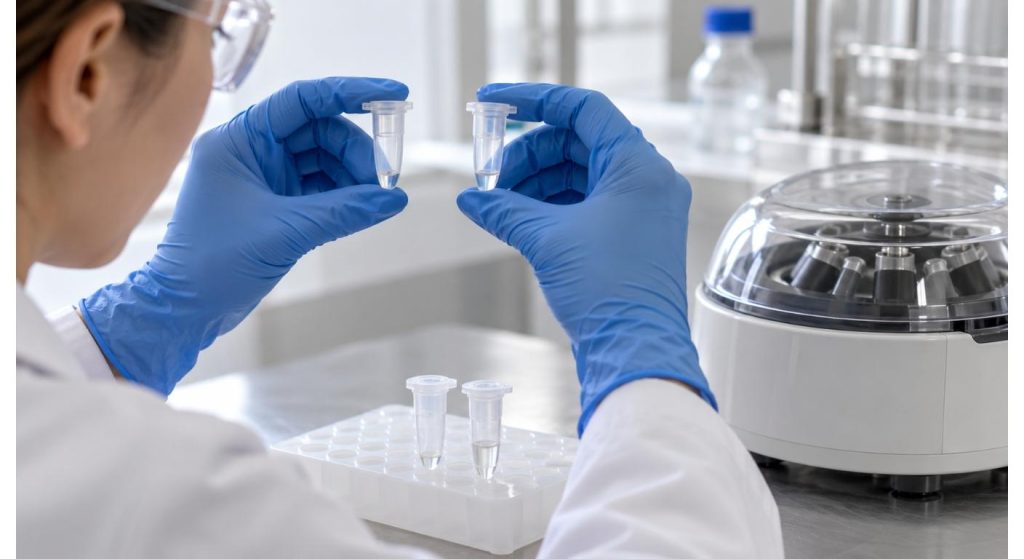
Note the starting volume, load, run settings and endpoint observed in method development. Record if the material to be concentrated can be recovered and be used successfully in its next step of analysis. Those observations will help you more than run time only.
| Batch group | Vessel and rotor | Endpoint to define | Separate method needed? |
| Small-volume aqueous samples | 1.5 mL tubes; matching rotor | Target final volume | Confirm during trial |
| Small-volume organic extracts | 1.5 mL tubes; matching rotor | Target final volume or dryness | Yes, if solvent conditions differ |
| Larger-volume extracts | 50 mL tubes; matching rotor | Target final volume | Yes |
| Sensitive samples | Verified compatible vessels | Endpoint plus recovery check | Yes, if operating limits differ |
Compare and approve Change of Solvent/Vessel
A small-tube method should not be used as is in a 50 mL vessel and needs to be validated. The sample time to endpoint may vary with the different geometry of the vessels and the volume of the liquid. Vacuum behavior of a new solvent mixture can also be different.
If a workflow is to be changed, do a small test, take notes on this test, and only then add it to routine operation. Monitor consistency of end points that have been loaded, sample recovery and influence on the following analytical step. Retain original method until revised method is acceptable to lab.
Repeat Daily Operation Easily
The LLV-20 comes equipped with an in-built pump, touch screen and shortcut programs, including presets, described by Longlight, for aqueous and ethanol applications. A preset may speed up the process of setting up the system, but operators should make sure that the conditions applied in the preset are applicable to the real sample before using it as a routine.
Clearly name approved methods by the name of the vessel, solvent group and endpoint. Document authorised personnel / how changes are monitored. After each batch, clean the equipment as required, prepare the correct configuration for the next run, and document completion.
State the complete set up for your lab.
Description of intended use of LLV-20 should be included in a purchase request rather than just instrument name. Add in vessel sizes, typical batch loads, solvents, endpoints, rotor requirements and any proposed vapor collection equipment. If both a small-tube and larger vessel run are necessary ask for a demonstration of both using a representative run.
The configuration and capacity of Longlight's LLV-20 is listed on its product page. Use its หน้าติดต่อ to send application specific requirements to confirm that the accessories and method supplied will support the application prior to ordering.
บทสรุป
Vacuum centrifuge concentrators can support a wide range of sample preparation workflows. However, changes in solvent type, vessel size, or target endpoint may require separate, validated operating methods. With the LLV-20, begin by matching the rotor to the batch, establish an observable endpoint and test the method with representative samples. This is the way flexibility of the instrument can be put to good use in everyday tasks.
คําถามที่พบบ่อย
Q1. Can LLV-20 process 1.5 mL and 50 mL tubes?
The configurations up to 90 × 1.5 mL tubes or 8 × 50 mL tubes are listed by Longlight. Verify the appropriate rotors and accessories on the quotation.
Q2. Is it possible that one program can be used for all solvents?
No, determine the solvent compatibility and confirm the run conditions for each pertinent class of samples prior to routine use.
คําถามที่ 3. Does a built-in vacuum pump eliminate the need for vapor collection?
No. The need for a cold trap or another vapor-management system depends on the solvent type, vapor load, and laboratory safety requirements. Confirm the appropriate configuration before use.
Q4. What is necessary to document for a normal run?
Record the sample group, vessel and rotor, solvent, starting volume, settings and endpoint. Include any deviation that may impact the next step of the analysis.
Q5. Can different solvents be concentrated in the same run?
Only when the method and equipment configuration support them. Check solvent compatibility and evaporation behavior before combining samples.
