

โพสต์ที่เกี่ยวข้อง


การเตรียมจุลินทรีย์ที่ทําลายยากด้วยอุปกรณ์รบกวนอัลตราโซนิก
2026-10-26Weak and inconclusive microbial protein spectrum can start from the preparation of the sample. Some microorganisms do not lend themselves to being extracted by the normal method and only provide a small amount of protein for a useful MALDI-TOF result. If the prepping step is not performed, analyzing again may result in the same issue.
This article highlights the needs of microbiology labs with difficult-to-lyse samples and the Longlight's BoFU-80 focused ultrasonicator. It explores the niche of closed-tube ultrasonic disruption, assessing its impact on extraction and setting up by a laboratory to incorporate it into a routine method.
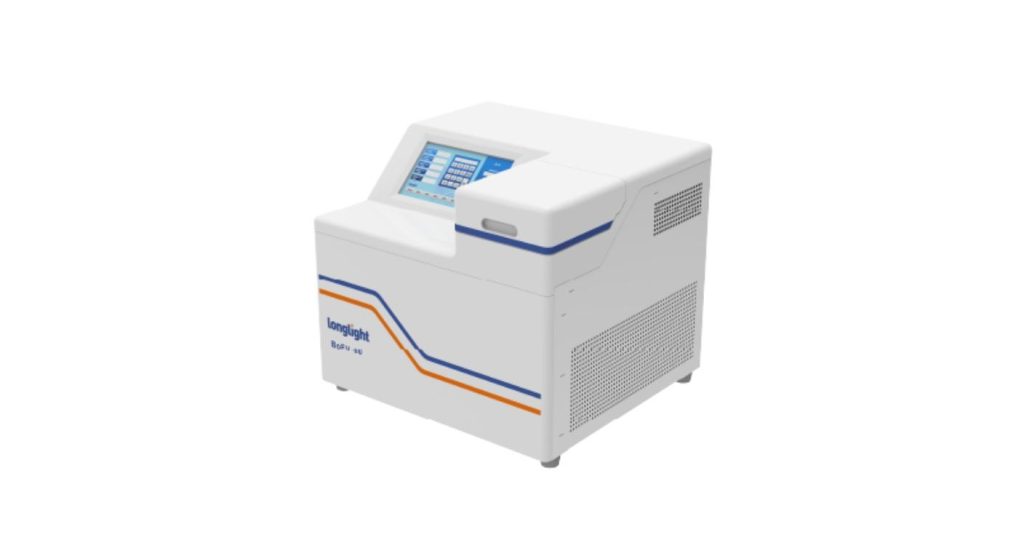
Begin at the Identification Bottleneck
Prior to putting in place a disruption step, recognise the samples that are not working with the current method. Write down the group of the organism, how the preparation was done, the quantity of material used and the result of the downstream analysis. This provides the lab with a foundation for comparing to a new workflow.
In the BoFU-80 product page, they talk about challenging organisms like mycobacteria or filamentous fungi, when talking about protein extraction for MALDI-TOF identification. Microbiology personnel looking at sample preparation make this equipment a more relevant target audience than a laboratory that is looking at a general purpose ultrasonic cleaner.
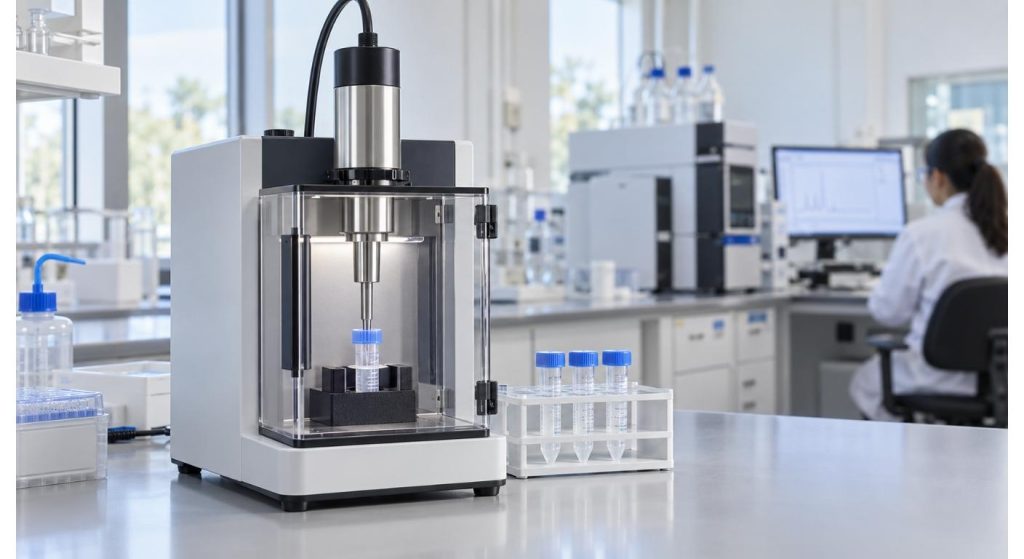
Be familiar with the changes in the BoFU-80.
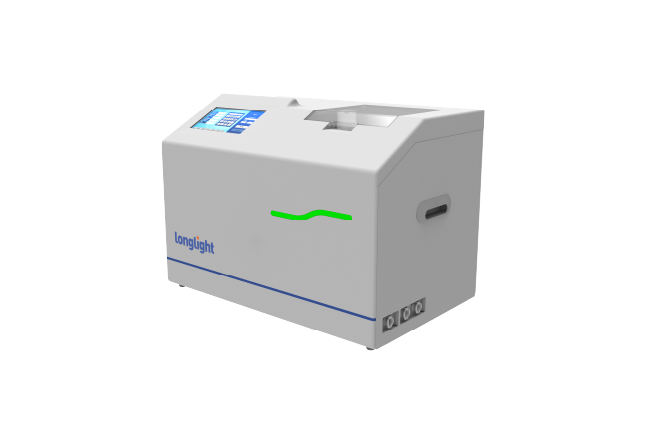
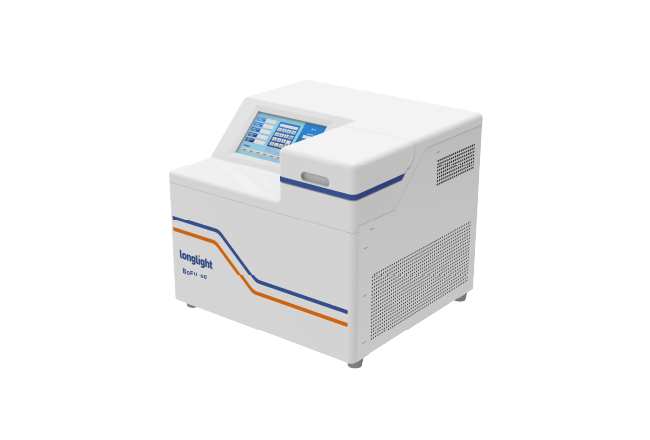
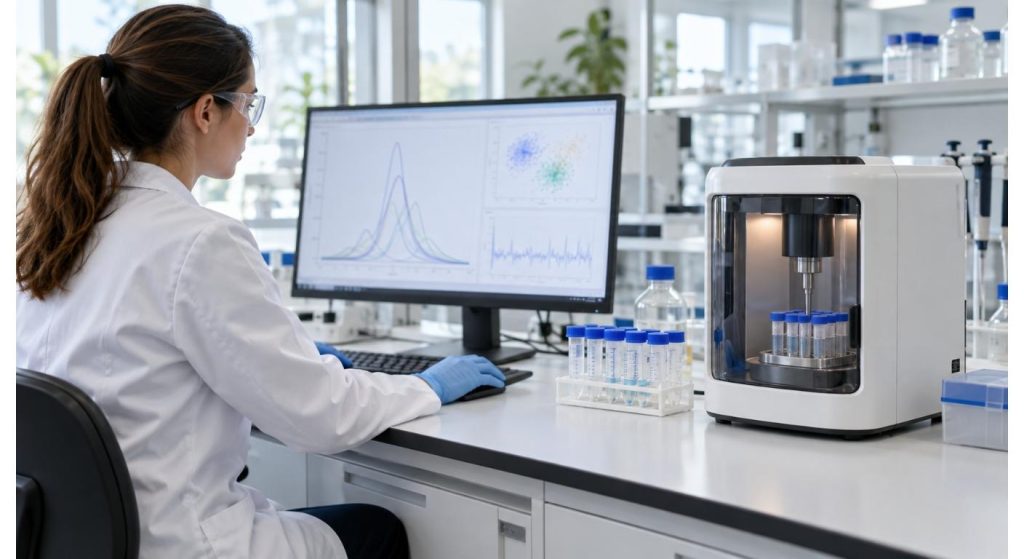
The BoFU-80 is a focused ultrasonicator that delivers ultrasonic energy to samples contained in closed tubes, without requiring direct contact between a probe and the sample.The sample is contained in the closed container throughout ultrasonic processing, eliminating the need for the instrument to have a probe inserted into each sample being processed. This is called a “non-contact process in an acoustic medium”, as described by Longlight.
Focused ultrasonication may improve microbial cell disruption and facilitate protein extraction, particularly for organisms with relatively It should be assessed based on outcomes post treatment: the achievable protein profile of the prepared sample and the ability to replicate results. If disruption is visible it does not necessarily mean that the downstream identification has improved.
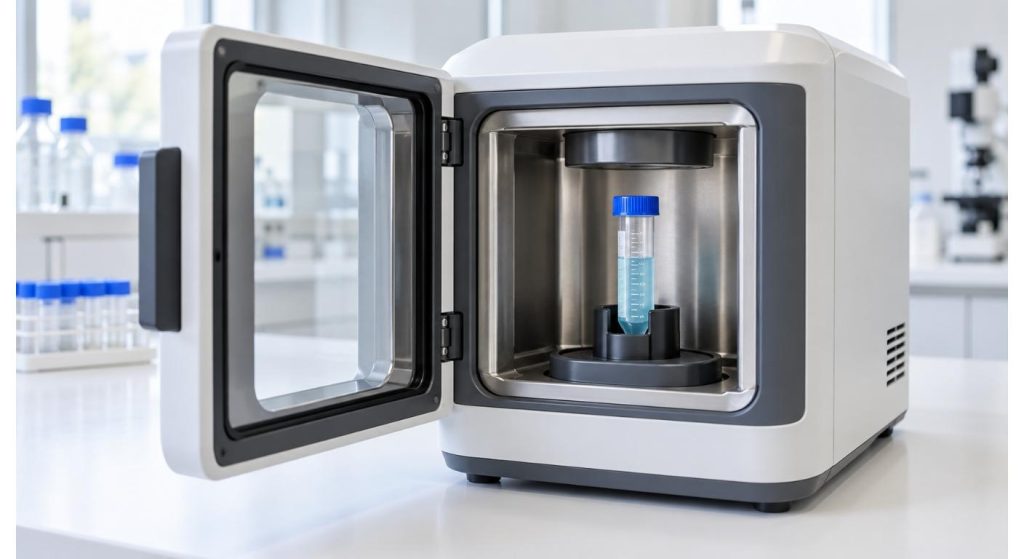
Describe how to place the Step Within an Approved Laboratory Method
Ultrasonic treatment is a step in sample preparation and should not be used in lieu of specific organism handling needs of the laboratory. Prior to trial, ensure that the personnel involved, containment arrangements and procedures in place are identified. Maintain the laboratory approved method of preparation and downstream analysis.
This is important in terms of sealed tubes. A closed-tube design minimizes tube openings during the ultrasonic step; however, the sample should not be termed "safe to handle" nor should it be suggested that a closed-tube design obviates the need for other required controls. Longlight's work flow, โบฟูเอฟ-80, includes reduced repeated opening as a feature.
Inspect Tube และ Sample Set-Up.
The focused ultrasonic system is dependent on the vessel, and the acoustic path utilized in the approved configuration. Inquire about the tubes, sample volumes and extractants accepted for the desired use. Verify these details prior to transferring a method created in another container.
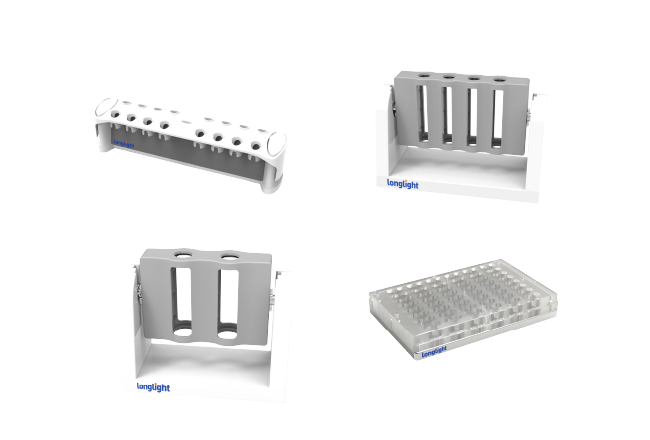
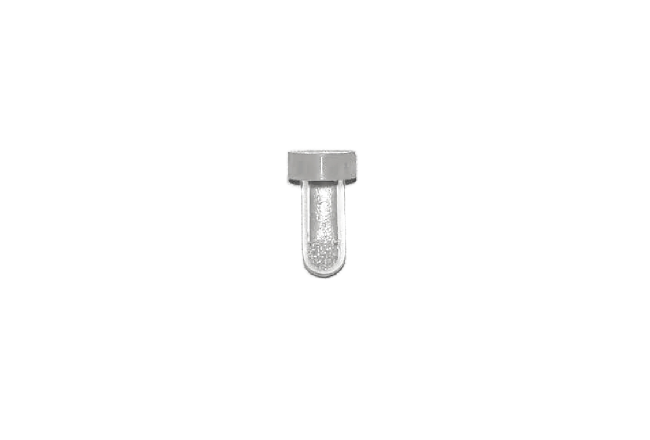
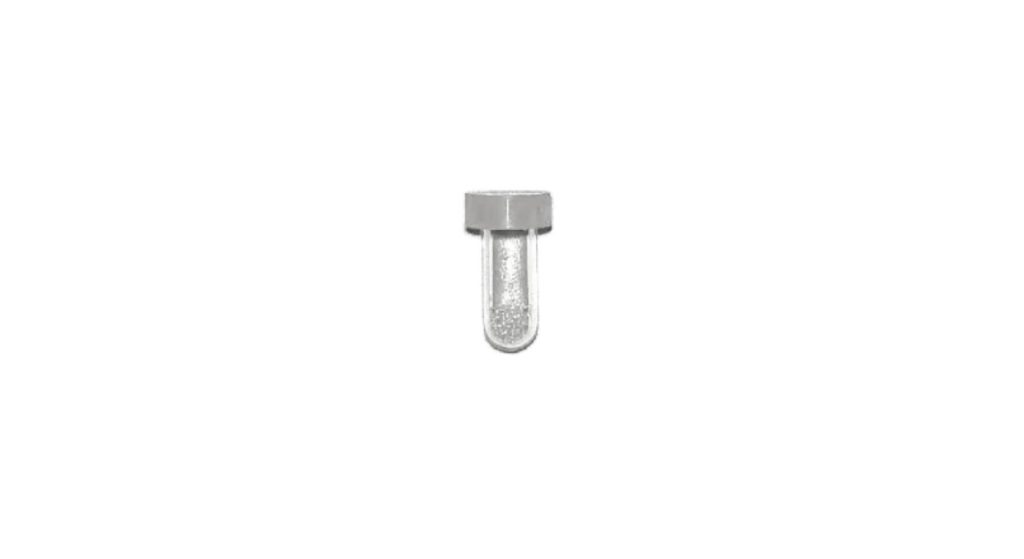
Longlight has ลูกปัด BoFU-Tube for BoFU-series sample processing and provides a number of tube volumes. They mention cell lysis, but the laboratory needs to review the cell and accessory setup that they recommend for BoFU-80 microbial preparation.
Discuss the Downstream Result with respect to Evaluation.
A useful trial is a comparison of the existing preparation and a preparation performed with the aid of a BoFU-80 according to a mutually agreed evaluation plan. Ensure sample groups and downstream analysis criteria are the same. Document if the results of each preparation are interpretable, repeatability and any extra handling time.
Don't rely on one good ID as a measure of overall performance. Use appropriate challenging examples and sufficient number of repetitions to demonstrate variation between preparations. If the laboratory is handling more than one group of organisms, evaluate each group separately – a validated preparation cannot be automatically applied to all groups.
| Evaluation item | Current preparation | BoFU-80-assisted preparation |
| Samples producing an interpretable result | Record count / total | Record count / total |
| Repeat preparations required | Record count | Record count |
| Agreement across replicate preparations | Record observation | Record observation |
| Time to a usable downstream result | บันทึกเวลาจริง | บันทึกเวลาจริง |
Take into account Time Across the Full Workflow
According to Longlight, the BoFU-80 can complete the ultrasonication step in approximately 60 seconds, with the total sample pretreatment workflow taking under five minutes under the specified application conditions. They are descriptions of a specific application by the manufacturer and NOT guarantees of how long a specific laboratory method will last.
When evaluating, time from start-up to the first useable downstream product. Add in setup, the ultrasonic step, all other preparation steps and repeats due to inconclusive analysis. This indicates if the equipment is eliminating a real bottleneck or if it is simply reducing the time of one step.
Check the repeatability and the condition of the sample.
Write the program chosen and the corresponding sample and tube setup for each trial. Constant input material and handling allows differences in protein profiles to be more easily interpreted. In case of different results, check all the preparation, before changing any ultrasonic settings.
According to Longlight, the processing environment for the BoFU series is controlled, and it applies focused energy in processing. Those are all features that support method development, but the lab must have their own acceptance criteria for the sample and analysis system used.
Write a Method that Staff can follow
If a trial is successful and meets the laboratory criteria, record the approved scope which includes sample groups eligible for use, tubes that are compatible, sample preparation sequence, equipment settings, checks and interpretation of results. Provide staff with information on what to do if a preparation fails or results in an inconclusive finding.
Document consumables needs and responsibilities for routine maintenance as well.The written procedure should allow another trained operator to prepare samples consistently without relying on notes from the original demonstration.
If you are interested in a specific application, ask for one to be demonstrated.
Always provide a description of the groups of organisms being sought and the reason the existing identification process is inadequate – do not assume that one set of settings will work for all samples. Inquire about the configuration (tubes and demonstration criteria) it recommends for your intended application for the BoFU-80.
Submit the aforementioned requirements using Longlight's หน้าติดต่อ, then compare the suggested setup to lab's approved procedures and to downstream results. The purchase specification should include all the method tested, as well as the consumables.
บทสรุป
In challenging microbial samples, ultrasonic disruption equipment should be assessed on its ability to produce the preparation of good quality and consistency for the next analytical step. In situations where extraction is a limit to identification, BoFU-80 can provide a more focused closed-tube approach that should be considered. Whether it should be in routine work is determined by a representative trial and a well-defined method.
คําถามที่พบบ่อย
คําถามที่ 1. Is the BoFU-80 a traditional probe sonicator?
No. The BoFU-80 is a focused, non-contact ultrasonicator. It delivers acoustic energy to samples through an acoustic coupling medium, without inserting a probe directly into the sample.
คําถามที่ 2 Do closed-tube workflows eliminate the need for laboratory biosafety precautions?
No. Closed-tube processing may reduce handling and exposure risks, but it does not replace organism-specific biosafety measures, containment procedures, or validated sample-handling protocols.
Q3. How to best test the equipment?
Compare representative preparations based on the downstream result criteria of the laboratory. Evaluate not only ultrasonication time, but also preparation reproducibility and the total time required to obtain a usable identification result.
Q4. Is there one disruption technique that could be used on all microorganisms?
Do not assume so. Ensure method is validated for each sample group in its scope of approval.
Q5. How can a lab check whether disruption is sufficient?
Use the laboratory’s downstream result criteria to compare prepared samples. Confirm that the method gives repeatable results across representative samples.
